That moment hits without warning. It's 2:00 AM. An automated email lands in your inbox: Service Suspended. Account Issue. Action Required.
Your site is down. Orders are frozen. Automations are dead. And the worst part isn't the outage. It's the realization that you don't actually own any of this.
You're not running a digital business. You're renting one.
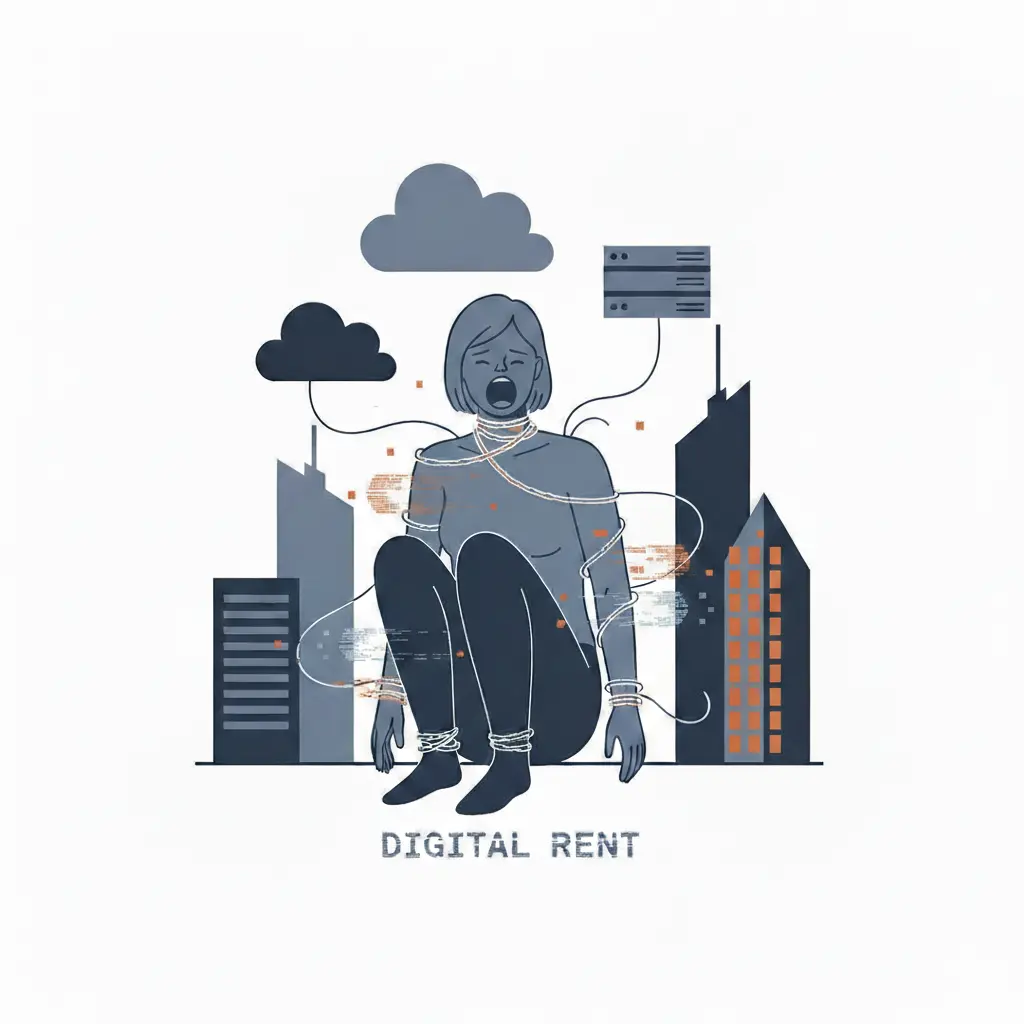
You didn't lose control all at once. It happened slowly.
A SaaS here. A plugin there. A "managed" service that promised peace of mind.
Until one day:
Your team waits. Revenue pauses. And you're told — politely — that this is how modern software works.
The humiliation isn't technical. It's structural.
You're expected to pay, comply, and stay quiet — because you're "not technical enough" to understand what you're buying.
That knot in your stomach when prices go up and you realize you can't leave? That's not inconvenience. That's vendor captivity.
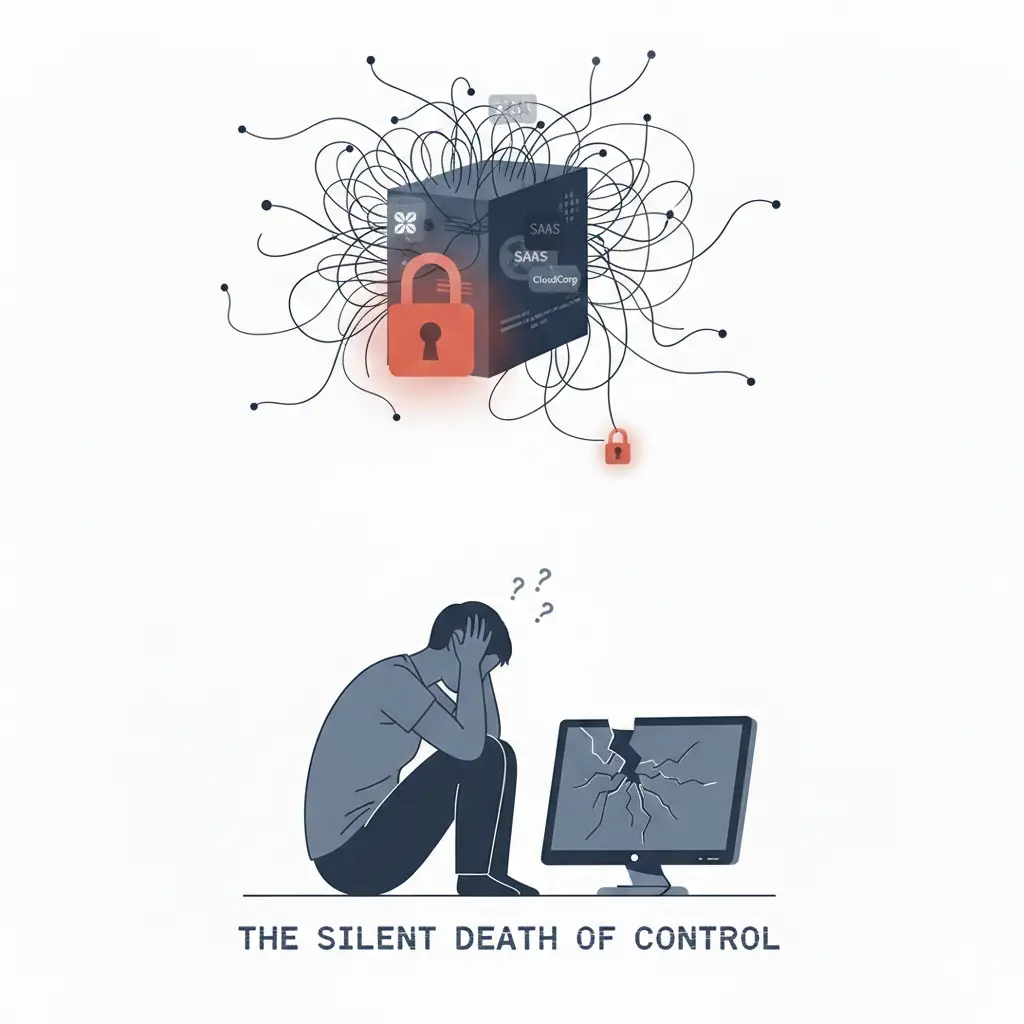
The problem was never technology.
The problem was opaque systems designed to keep you dependent.
You were sold convenience. What you got was:
You don't need more dashboards. You don't need another SaaS demo.
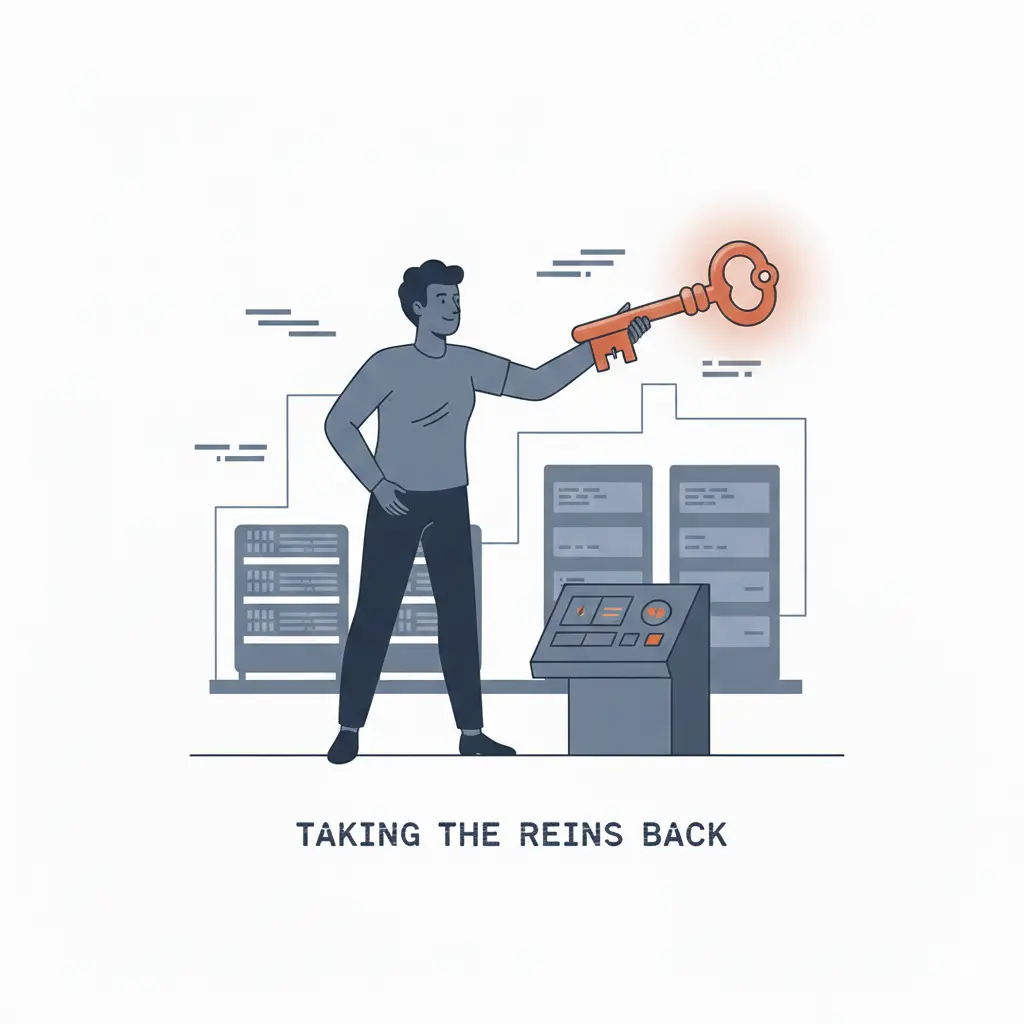
You need ownership.
This is where most people get it wrong.
Reclaiming control doesn't mean becoming a full-time sysadmin. It doesn't mean memorizing Linux commands. It doesn't mean going back to 1998.
It means something much simpler — and much rarer:
You understand how your digital engine works. You have the keys. And nothing critical exists without your consent.
That's it.
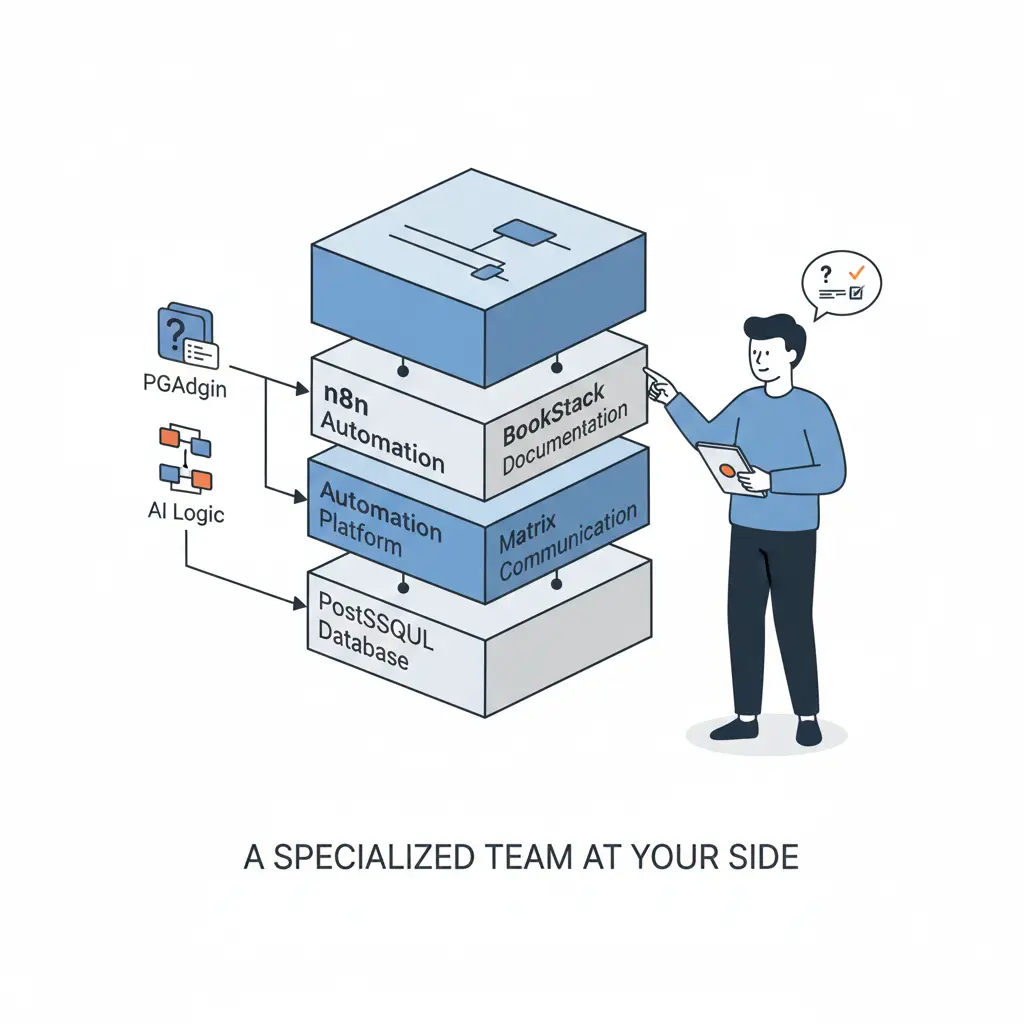
A real, modern setup looks like this:
Tools like PostgreSQL, n8n, BookStack, Matrix — they're not magic.
They're honest tools.
And honest tools don't hide what they're doing.
For over four years, Jean-François ran his e-commerce business knowing something felt off.
The site worked. Sales came in. But under the surface, everything was brittle.
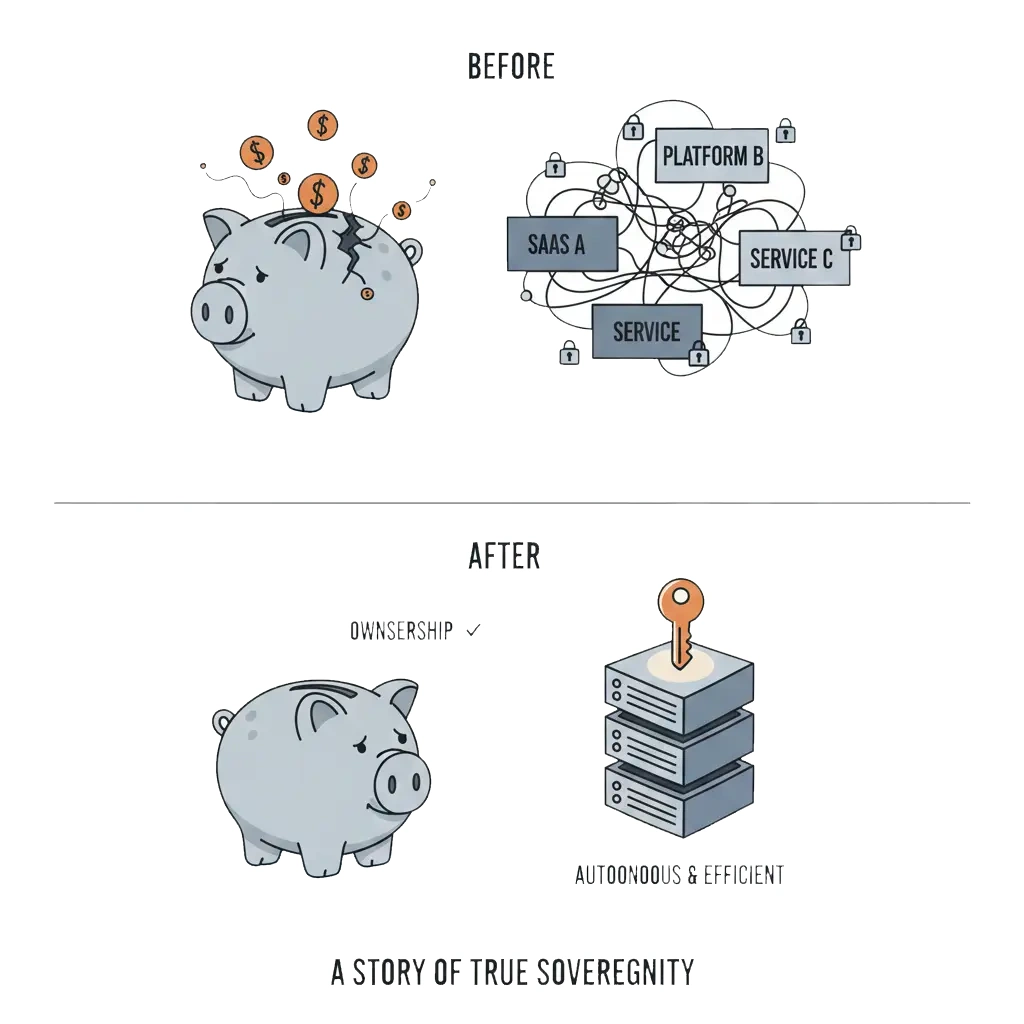
A Windows server. Licensing fees. Closed systems. Slow performance. Zero autonomy.
Every change required permission.
The goal wasn't to "optimize a site." The goal was to take the business back.
The entire stack was rebuilt:
But the real shift was psychological. He stopped being a user. He became an owner.
There is no fixed package. No "Starter / Pro / Enterprise" tiers.
Because this work is done with you, not on you.
Every setup is designed around:
The outcome is always the same:
You leave understanding what runs your business, where it lives, how to change it, and how to evolve without asking permission.

There is no sales funnel. No junior rep. No script.
The first step is a live conversation — on Zoom or Microsoft Teams — with someone who has been in the trenches for years.
Not to sell you anything.
To:
You don't leave with buzzwords. You leave with clarity.
This approach isn't for everyone.
If you're happy renting your stack, if you don't mind black boxes, if autonomy isn't a priority — this won't resonate.
But if something in you reacts strongly to the idea of owning your infrastructure instead of begging it to behave, then you already know why you're here.
You don't need another tool.
You need:
When you're ready to talk to a real expert, book a live session.
No automation. No sales theater. Just a human who knows exactly how these systems break — and how to build them right.
Move from renter to owner.